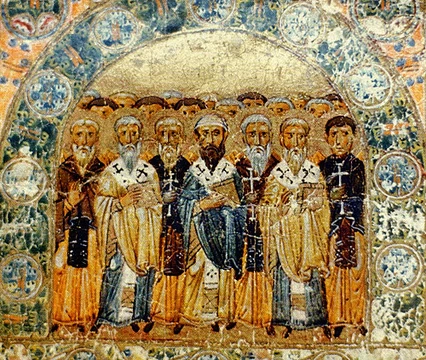
Ignatius of Loyola
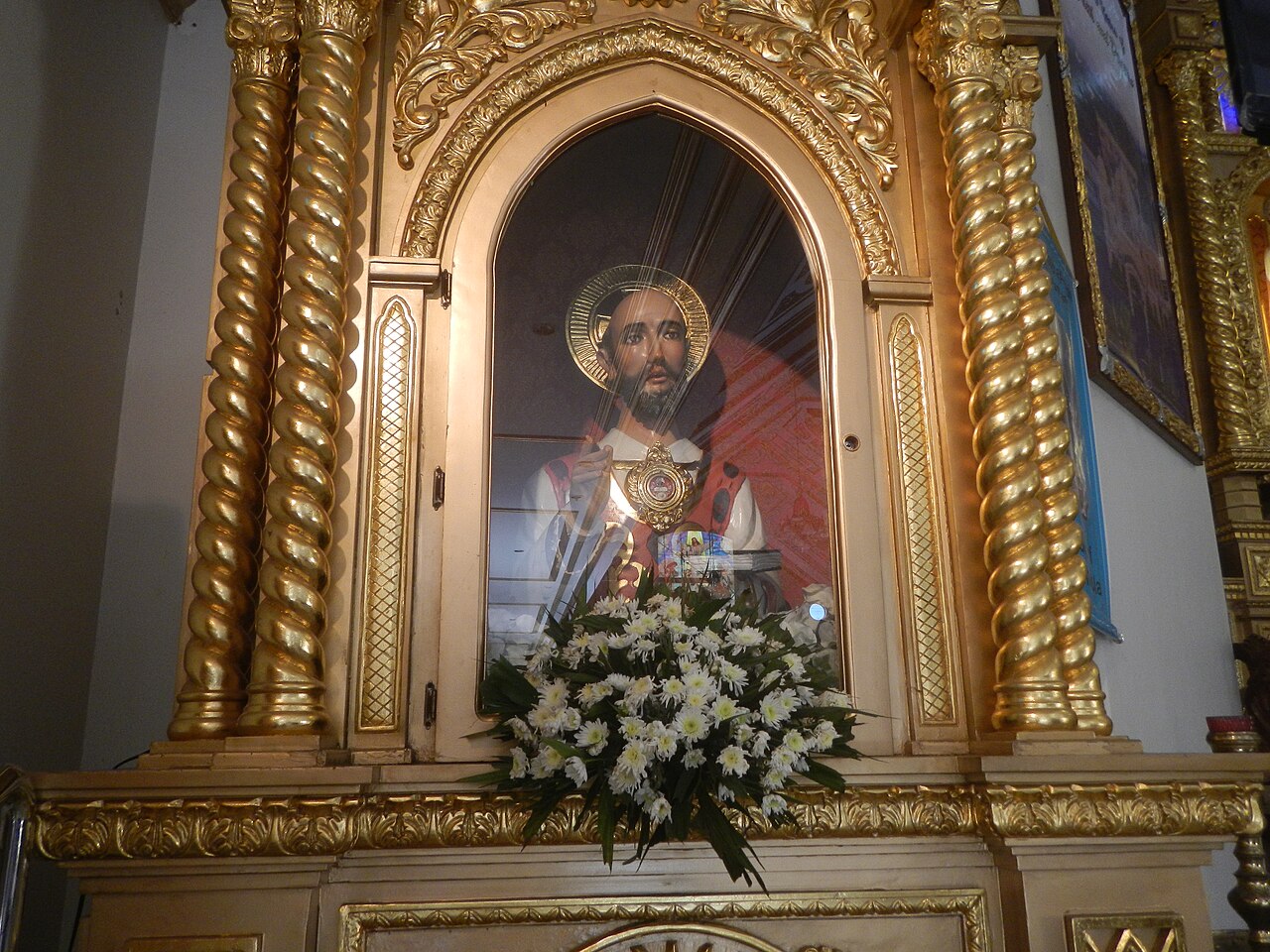
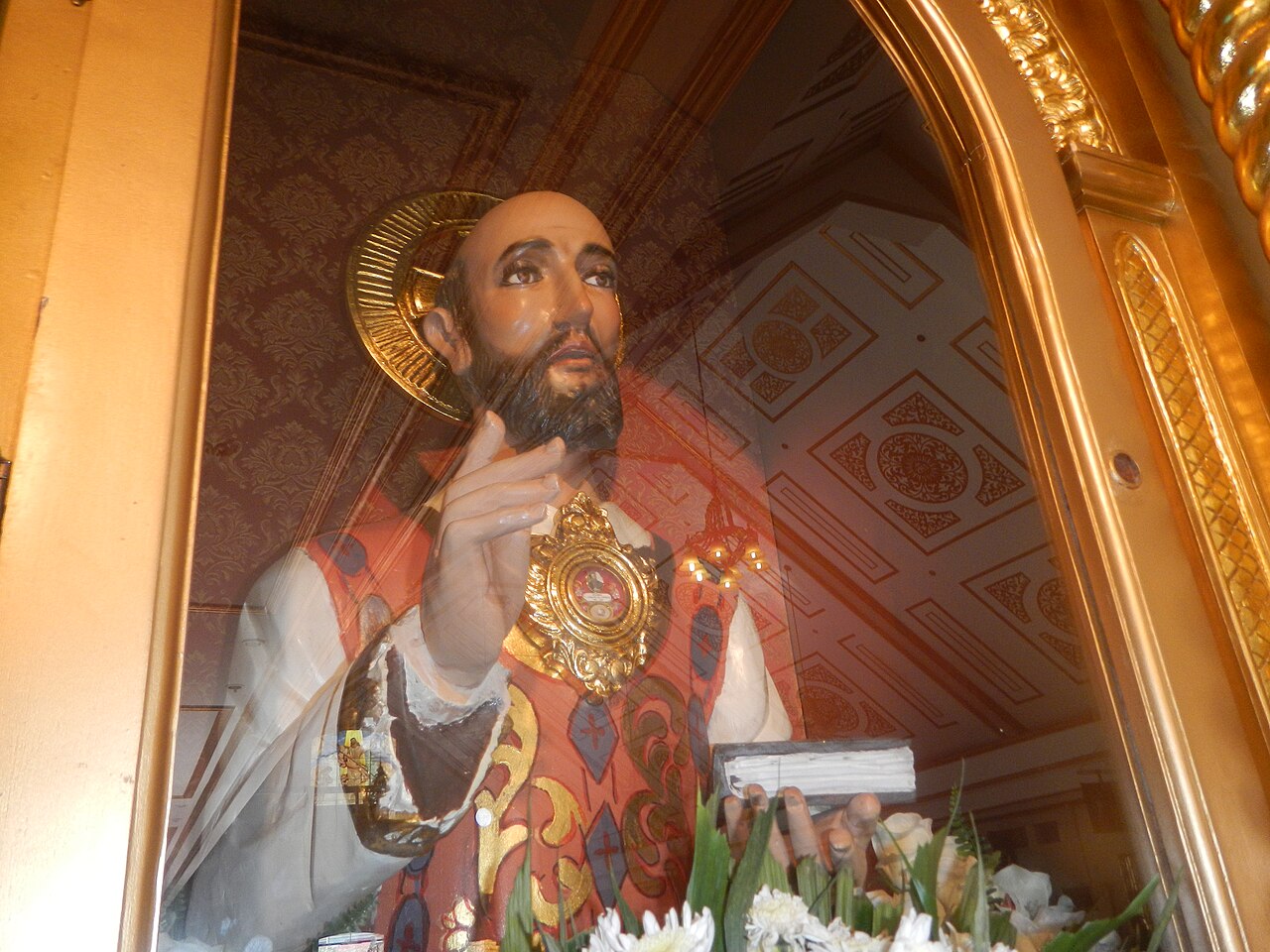
Founder of the Jesuits and author of the Spiritual Exercises.

Judgefloro · CC0
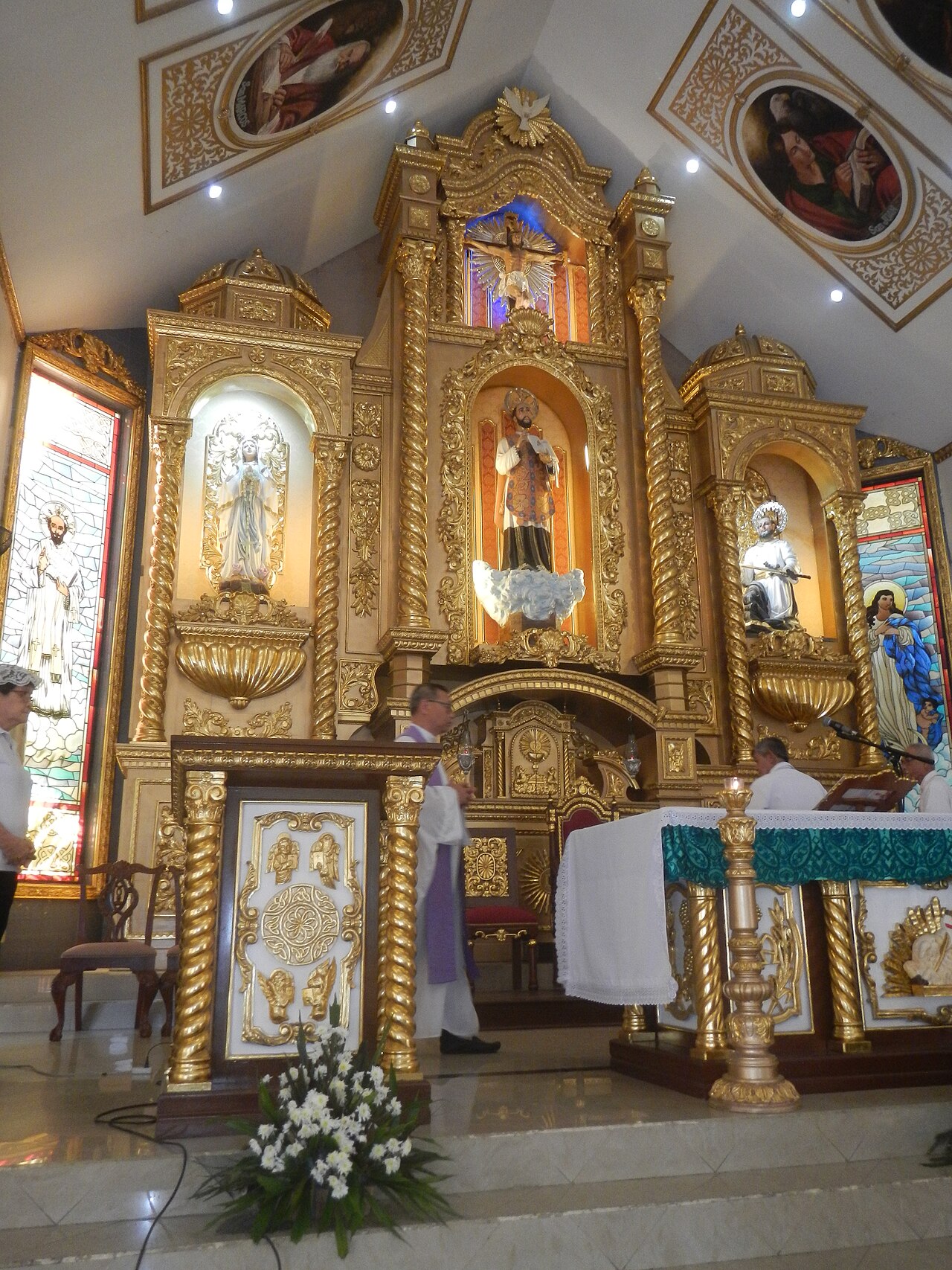
Ignatius of Loyola (born Íñigo López de Oñaz y Loyola; c. He is venerated as a saint and is known for his Spiritual Exercises and for leading the Counter-Reformation.
- field
- Catholic priest, theologian
- nationality
- Spanish Basque
- known_for
- Founder of the Society of Jesus (Jesuits), author of the Spiritual Exercises
Lore & Background
Ignatius was born Íñigo López de Oñaz y Loyola in the castle at Loyola, Azpeitia, Gipuzkoa, in the Basque entities of the Crown of Castile. He was the youngest of eight children (three sons and five daughters) of minor nobility. After his mother died when he was young, he was raised by his father's household and later by relatives. The operations left his right leg shorter, ending his military career. During convalescence, he read the lives of Christ and the saints, particularly De Vita Christi by Ludolph of Saxony, which inspired his spiritual conversion. He experienced visions and began formulating the fundamentals of his Spiritual Exercises.
Reader's Guide
Ignatius of Loyola's significance lies in founding the Society of Jesus, a religious order that emphasized missionary work, teaching, and obedience to the Pope through a fourth vow. The Jesuits became instrumental in the Counter-Reformation. His Spiritual Exercises, a method of spiritual formation rooted in his own military and contemplative experiences, developed into Ignatian spirituality, widely practiced in retreats. His feast day is 31 July. His legacy endures through Jesuit educational and missionary institutions worldwide.
Did You Know?
- Ignatius instituted a fourth vow for Jesuits of special obedience to the pope regarding missions, in addition to the standard three vows of poverty, chastity, and obedience.
- He was a former soldier who limped for the rest of his life after a cannonball fractured his leg at the Battle of Pamplona.
- He was interrogated by the Inquisition in Alcalá for preaching without a theology degree but was released.
The Soldier's End at Pamplona
Ignatius's early life was shaped by Basque minor nobility and a household marked by loss. His mother died shortly after his birth, and his father, Don Beltrán, had him tonsured in anticipation of an ecclesiastical path. Yet the young Íñigo gravitated toward the world of chivalry, patterned his life after romances like Amadís de Gaula, and joined the army at seventeen. For years he fought in numerous engagements without sustaining a wound. A cannonball, ricocheting off a nearby wall, shattered his right leg. Back at the Loyola castle, he endured multiple surgical procedures in an age without anesthesia—his bones were set, then deliberately broken again. The operations left his right leg permanently shorter, condemning him to a lifelong limp and extinguishing any further military ambition.
The Wound That Became a Door
During his long convalescence, Íñigo requested his beloved romances of chivalry to pass the hours, but none were available in the castle. Instead, his sister-in-law Magdalena de Araoz brought him the lives of Christ and the saints. The work that seized him most was Ludolph of Saxony's De Vita Christi, which proposed that the reader mentally place himself within Gospel scenes—visualizing the Nativity crib, for instance. This technique of Simple Contemplation would become the foundation of his later Spiritual Exercises. Even as he dreamed of imitating the saints, his mind still wandered to romantic heroism and a royal lady. But he noticed something: the chivalric dreams left him in desolation, while the saintly ones ended in deep joy and peace. This was, he would later recognize, his first encounter with discernment. Once he could walk again, he resolved to pilgrimage to the Holy Land to "kiss the earth where our Lord had walked" and perform stricter penances. A vision of the Virgin Mary holding the infant Jesus, which he experienced one night, seemed to confirm his new direction.
Building the Society of Jesus
The order's mission, as he envisioned it, centered on two pillars: missionary work and teaching. Beyond the standard religious vows of chastity, obedience, and poverty, Loyola instituted a distinctive fourth vow—obedience specifically to the Pope—so that Jesuits would be available to undertake whatever projects the pontiff ordained. This structural commitment made the order uniquely responsive to papal direction. The Jesuits went on to play an instrumental role in leading the Counter-Reformation, deploying their educational and missionary focus across the globe. As a former soldier, he paid particular attention to the formation of his recruits, and the method he recorded would come to be known worldwide as Ignatian spirituality.
From Basque Castle to Universal Patron
His name, a medieval Basque diminutive meaning "my little one," was later rendered in the Latin form "Ignatius," which he adopted for use in France and Italy where it was more readily understood. His mother died shortly after his birth, and maternal care passed to the local blacksmith's wife. His father had him tonsured, hoping for a clerical future, but the boy's heart belonged to the sword. After his conversion, military career, and founding of the Jesuits, his legacy grew posthumously. His feast day falls on 31 July.
Gallery
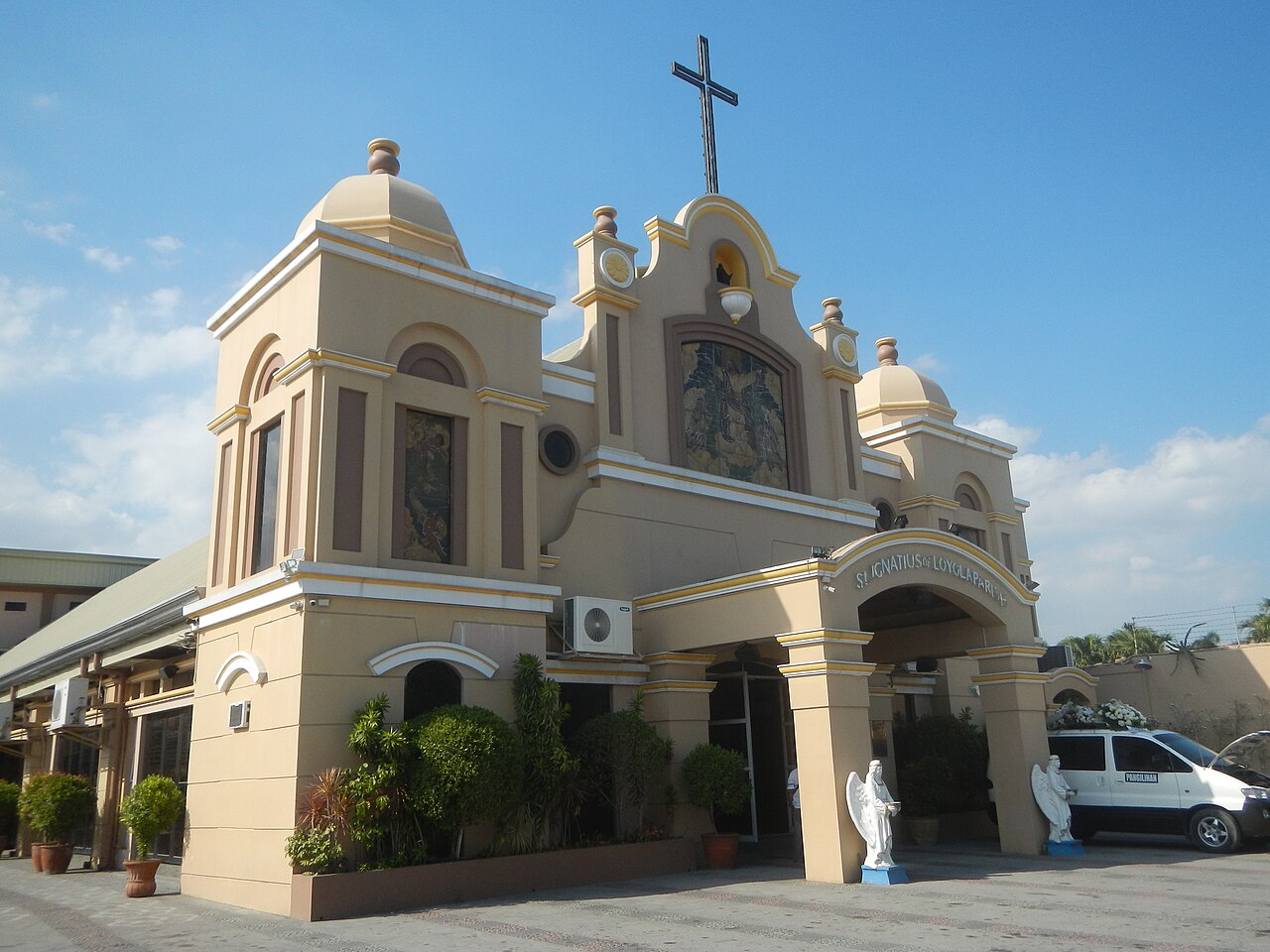
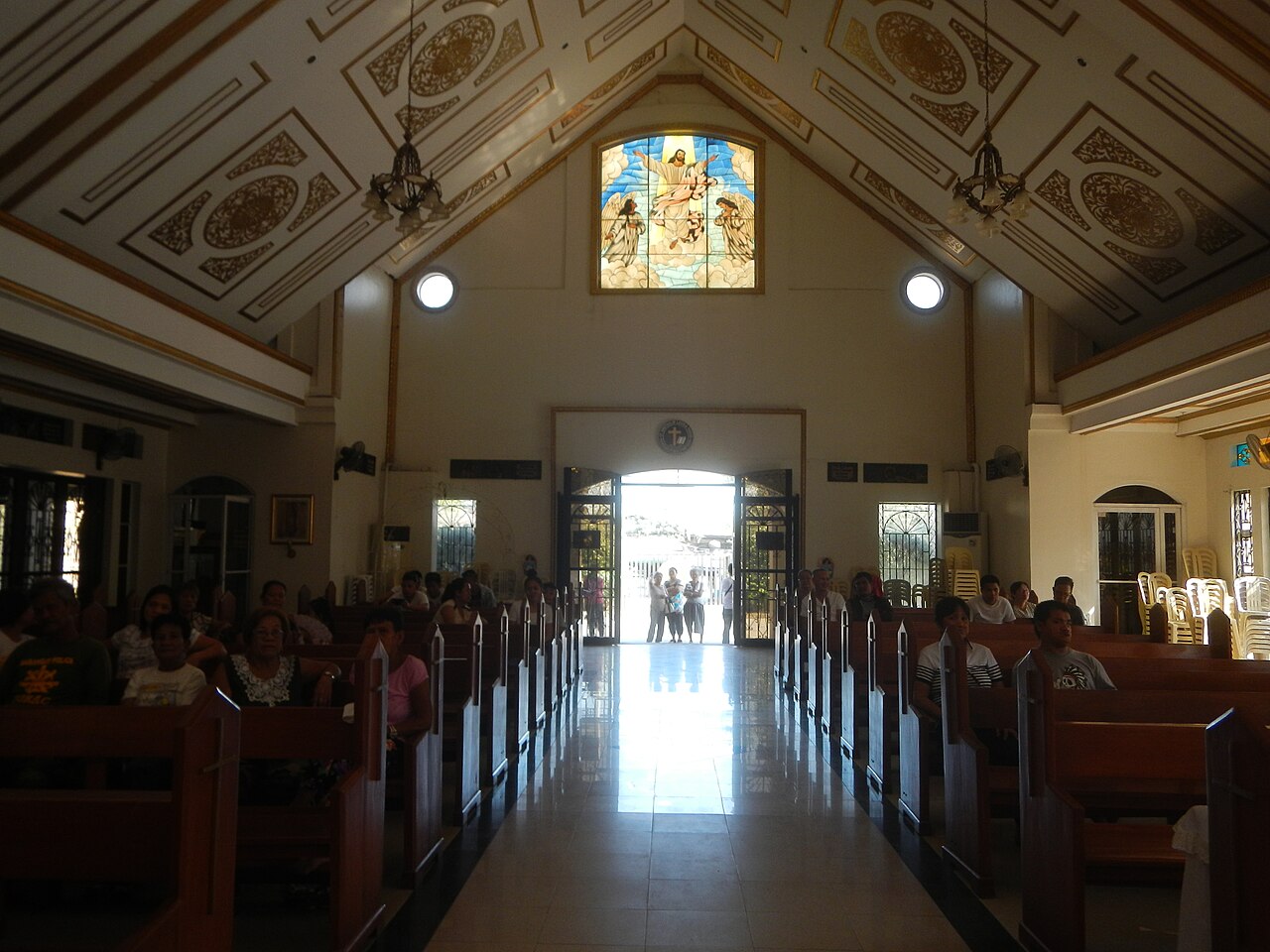
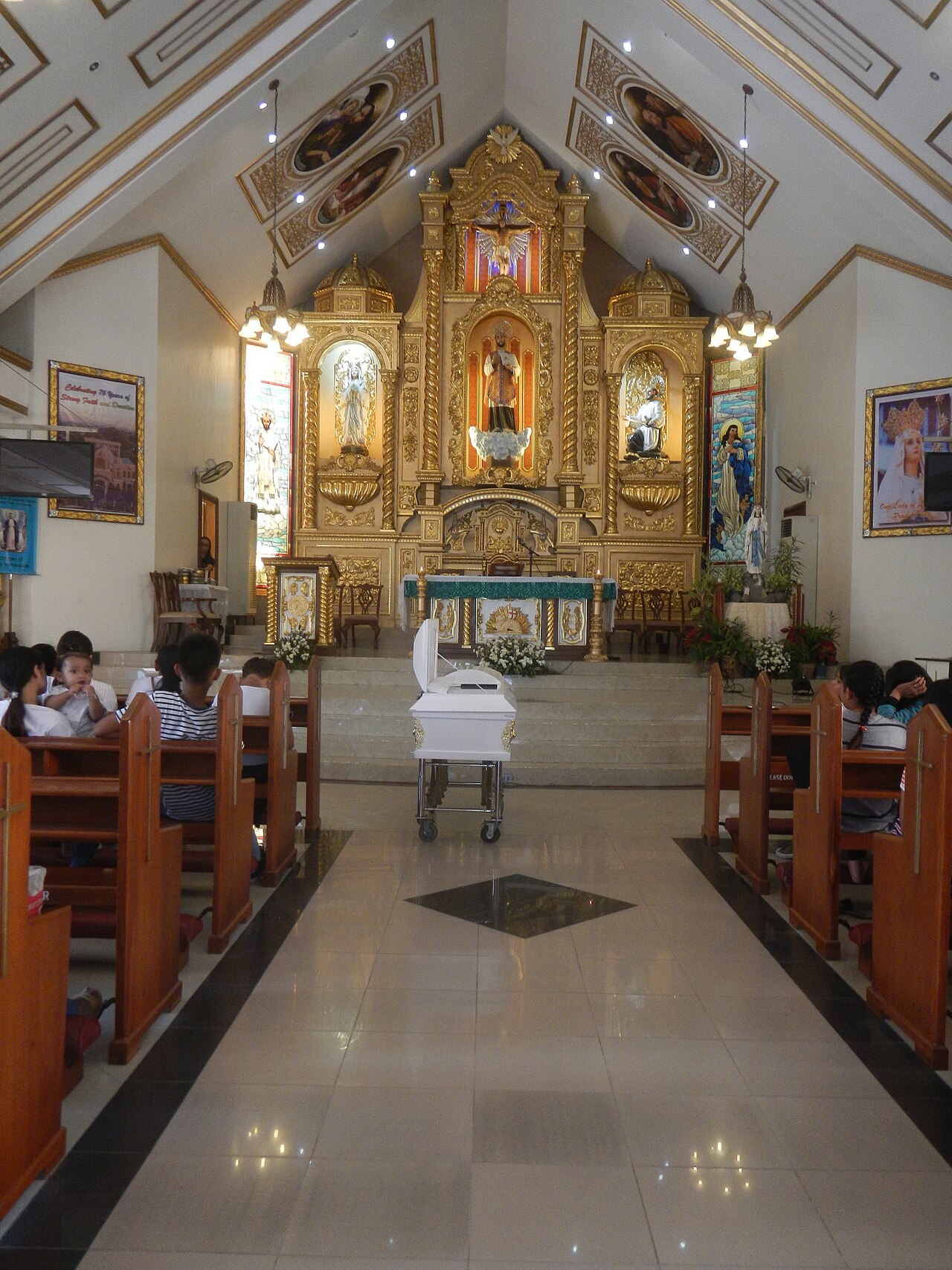
Frequently Asked Questions
What are the Spiritual Exercises and why do they matter?
The Spiritual Exercises is a structured program of prayer, meditation, and discernment that Ignatius of Loyola authored to help individuals deepen their relationship with God. It remains one of the most widely used spiritual guides in Catholic tradition.
What role did Ignatius of Loyola play in the Counter-Reformation?
Ignatius of Loyola is recognized as a key figure who helped lead the Counter-Reformation, the Catholic Church's response to the Protestant Reformation. Through the Jesuits and his Spiritual Exercises, he provided the Church with powerful tools for education, mission work, and spiritual renewal.
More in Christian Saints & Early Church Fathers 1-24
Elsewhere in the Christian Saints & Early Church Fathers universe
Spotted an error? Know more?
This is a living reference — every entry is fact-audited, and reader corrections feed straight into our audit queue. Suggest an edit · See this site's audit record