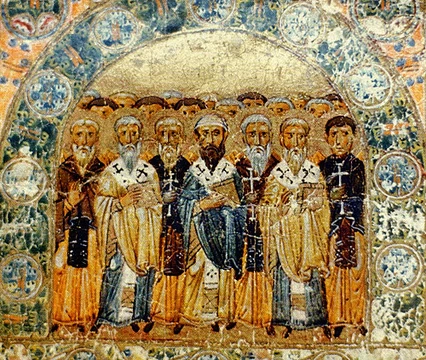
Papias of Hierapolis
Early collector of oral traditions about Jesus and the Gospels.

Papias of Hierapolis was a Greek Apostolic Father, Bishop of Hierapolis (modern Pamukkale, Turkey), and author who lived c. AD 60 – c. He is mainly known for gathering oral stories about Jesus and his disciples from John the Elder and the daughters of Philip, compiling them in the *Exposition of the Sayings of the Lord*. Brief excerpts of his work survive in the writings of Irenaeus of Lyons and Eusebius of Caesarea, making him an important early source on Christian oral tradition and the origins of the canonical Gospels.
- born
- c. 60–70 AD (traditional)
- field
- Christian theology, oral tradition, Gospel origins
- nationality
- Greek (native of Hierapolis, Phrygia, Asia Minor)
- known_for
- Compiling the *Exposition of the Sayings of the Lord*; providing the earliest extant accounts of who wrote the Gospels of Mark and Matthew
Lore & Background
Papias lived in Hierapolis, Phrygia, in Asia Minor, and flourished in the early 2nd century. Much of what is known about him comes from later testimony, especially from Irenaeus, who describes him as 'an ancient man,' 'a hearer of John [of Ephesus],' and 'a companion of Polycarp.' Eusebius places him in the same period as Ignatius of Antioch and Polycarp, portraying him as a learned collector of early Christian tradition but a poor interpreter, particularly regarding his millennialism.
Reader's Guide
Papias's significance lies in his role as a bridge between the apostolic age and later Christian writers. His *Exposition of the Sayings of the Lord*, though lost, preserves some of the earliest known traditions about the authorship of the Gospels. According to excerpts preserved by Eusebius, Papias (citing John the Elder) reported that Mark wrote down Peter's teachings accurately but not in order, and that Matthew compiled the sayings (logia) in Hebrew (or Aramaic), with each person interpreting them as best he could. These fragments have fueled centuries of debate about Gospel origins, including theories about a lost sayings source (Q) and the relationship between the canonical Gospels. Papias's method of preferring oral testimony from living witnesses over written sources also highlights the value placed on living tradition in early Christianity. His work remains a key, if fragmentary, witness to the formation of the New Testament canon.
Did You Know?
- Papias gathered oral stories by questioning travelers passing through Hierapolis, especially surviving disciples of Jesus and elders who had known the Twelve Apostles.
- He learned traditions from the daughters of Philip, who had settled in Hierapolis.
- Eusebius portrays Papias as a learned collector but a poor interpreter, especially regarding his millennialism.
- The claim that Papias died around 164 AD is probably a confusion with the martyr Papylus/Papylas.
More in Christian Saints & Early Church Fathers 1-24
Elsewhere in the Christian Saints & Early Church Fathers universe
Spotted an error? Know more?
This is a living reference — every entry is fact-audited, and reader corrections feed straight into our audit queue. Suggest an edit · See this site's audit record