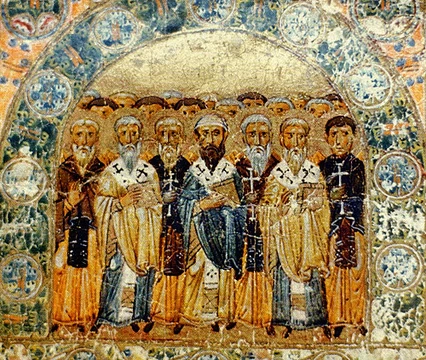
Peter the Hermit
Priest who led the People's Crusade and was linked to early massacres.

Txllxt TxllxT · CC BY-SA 4.0
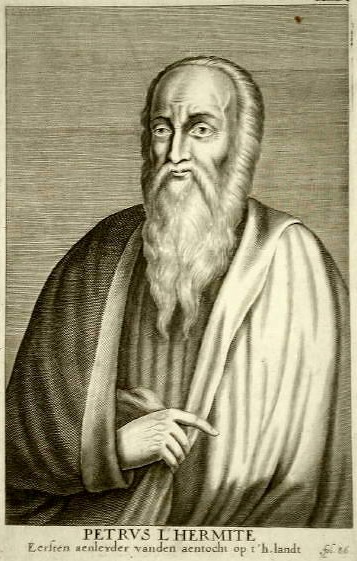
Peter the Hermit (French: Pierre l'Ermite; c. Among Jews he is remembered for the Rhineland massacres that occurred during the early stages of the First Crusade, though he did not lead them. He has sometimes been called Peter the Hermit, but he has not been beatified in the Catholic Church.
Lore & Background
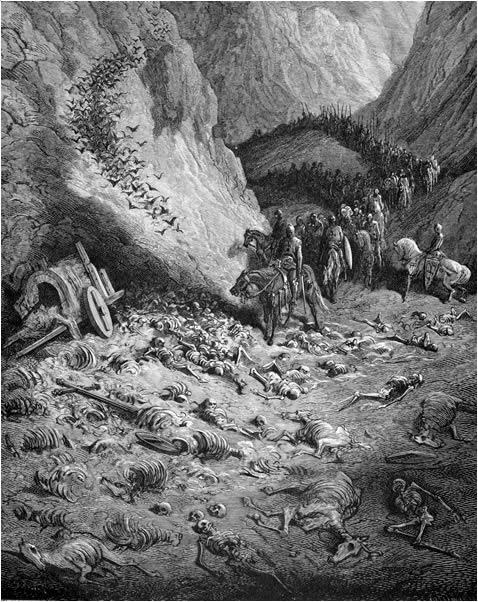
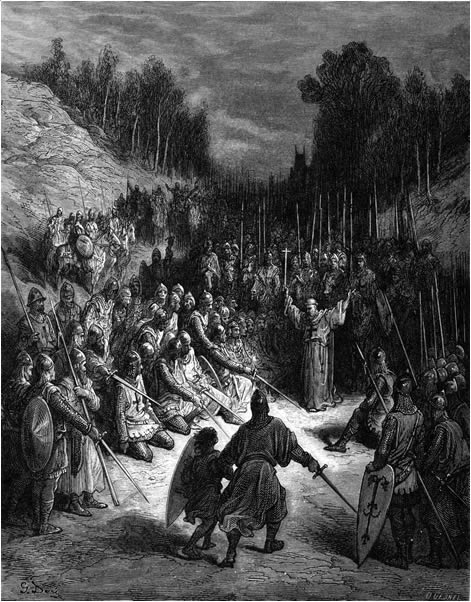
Others claim he was a member of the L'Hermite family of Auvergne in France. These claims are disputed by still other authors, who argue that no evidence can confirm that 'the Hermit' was an actual surname, and that surnames did not develop until after his time. He was said to have witnessed disturbing scenes, and after reaching the Church of the Holy Sepulchre, he saw 'many forbidden and wicked things' and questioned the patriarch, who expressed helplessness against the Turks. This experience caused Peter to preach inflammatory statements about the Turks, though doubts remain whether he ever made such a journey. It is certain that he was one of the preachers of the armed pilgrimage in France afterwards. He soon leapt into fame as an emotional revivalist, and the vast majority of sources and historians agree that thousands of serfs and peasants eagerly took the cross at his bidding. Peter organized and guided the paupers as a spiritually purified and holy group of pilgrims. He did not train his army, nor did he supply weapons or food. Before reaching Constantinople, Peter and his followers experienced difficulty. The army then marched into Belgrade, set the town on fire, and pillaged it. After an eight-day delay in Nish, they were attacked by Byzantine soldiers and lost a quarter of their army. Byzantine emperor Alexios I Komnenos was displeased. After being shipped across the Bosporus, the paupers entered Turkish territory despite warnings. In Peter's absence, the pilgrims
Reader's Guide
Peter the Hermit's significance lies in his role as a catalyst for the People's Crusade, a popular movement that preceded the main armed crusade and demonstrated the power of religious fervor among common people. His preaching, based on his reported pilgrimage and the patriarch's complaints, mobilized thousands of serfs and peasants, though his lack of military organization led to disaster. These killings, known as Gzerot Tatnó, set a precedent for violence against Jews in later Crusades. The People's Crusade itself was almost entirely annihilated by the Seljuk Turks, forcing Peter to winter in Constantinople and join the Prince's Crusade, where he continued to have a leadership role in varying degrees of significance as the Crusaders invaded the Levant and took Jerusalem. His legacy is thus twofold: as a symbol of popular crusading zeal and as a figure associated with early anti-Jewish violence.
Did You Know?
- Peter the Hermit has sometimes been called 'Blessed' but has not been beatified in the Catholic Church.
Origins and Editorial Ambition
The series was designed from the outset to replace the nineteenth-century Ante-Nicene Fathers and Nicene and Post-Nicene Fathers collections, which Schopp and his colleagues regarded as outdated. By the mid-twentieth century, critical editions of patristic texts had become available, and scholars possessed a deeper command of the Greek and Latin in which these early Christian writers composed. The FOTC project harnessed both of these advances, committing itself to rendering the source material into what its editors called contemporary English. Every volume was also expected to carry a full scholarly apparatus: an introductory essay, detailed footnotes, a bibliography, and an index of Scripture references, giving readers tools for serious study rather than mere devotional reading.
Editorial Rationale and Shifting Priorities
Roy J. He identified what he called an anti-Catholic bias in the older Ante-Nicene and Nicene and Post-Nicene Fathers editions, a bias he found nothing short of shocking to anyone who used those volumes, and he expressed a clear desire to supplant them entirely. In its earliest phase, the FOTC series concentrated on producing fresh translations of texts that already had English versions, updating language and scholarship. Over time, however, the editorial focus shifted. Rather than merely retranslating familiar works, the series began to prioritize publishing patristic texts that had never before appeared in English, broadening the accessible corpus for Anglophone readers. This pivot meant that volumes could introduce lesser-known authors and previously untranslated treatises alongside the more famous figures, expanding the series' reach well beyond the canonical highlights of early Christian literature.
Publication History and Institutional Home
The FOTC series did not begin under a university imprint. In its earliest years, the volumes were privately published by two entities: Christian Heritage, Inc., and Fathers of the Church, Inc. The move to a university press gave the project a more stable institutional anchor and a broader distribution network. The series has remained ongoing throughout its history, continuing to add new volumes. Peter Damian, the opening of a planned six-volume set. This new line marked a deliberate expansion of the project's chronological scope, extending the translation effort beyond the first centuries of Christianity and into the medieval period, thereby acknowledging that the patristic tradition did not simply end with the early church fathers.
Range of Authors and Works
The volumes listed in the series span an impressive breadth of patristic literature. St. Augustine dominates the catalogue, with multiple dedicated volumes covering his Confessions, the City of God in two parts, his extensive correspondence in three letter volumes, ascetical treatises, sermons on the Lord's Sermon on the Mount, and collections of shorter works on topics ranging from lying to fasting to widowhood. Beyond Augustine, the series includes the apologetical writings of Tertullian and Justin Martyr, the ascetical works and letters of St. Basil, the Ecclesiastical History of Eusebius of Caesarea, the sermons of Peter Chrysologus and Valerian, and a volume of early Christian biographies gathering the lives of Cyprian, Ambrose, Anthony, Paul the First Hermit, Hilarion, and others. Each volume typically lists one or more translators, and some entries include additional scholarly notes by editors like Deferrari. The range from major theological treatises to brief homilies and hagiographical sketches illustrates the series' commitment to making the full spectrum of early Christian writing available in modern English.
Gallery
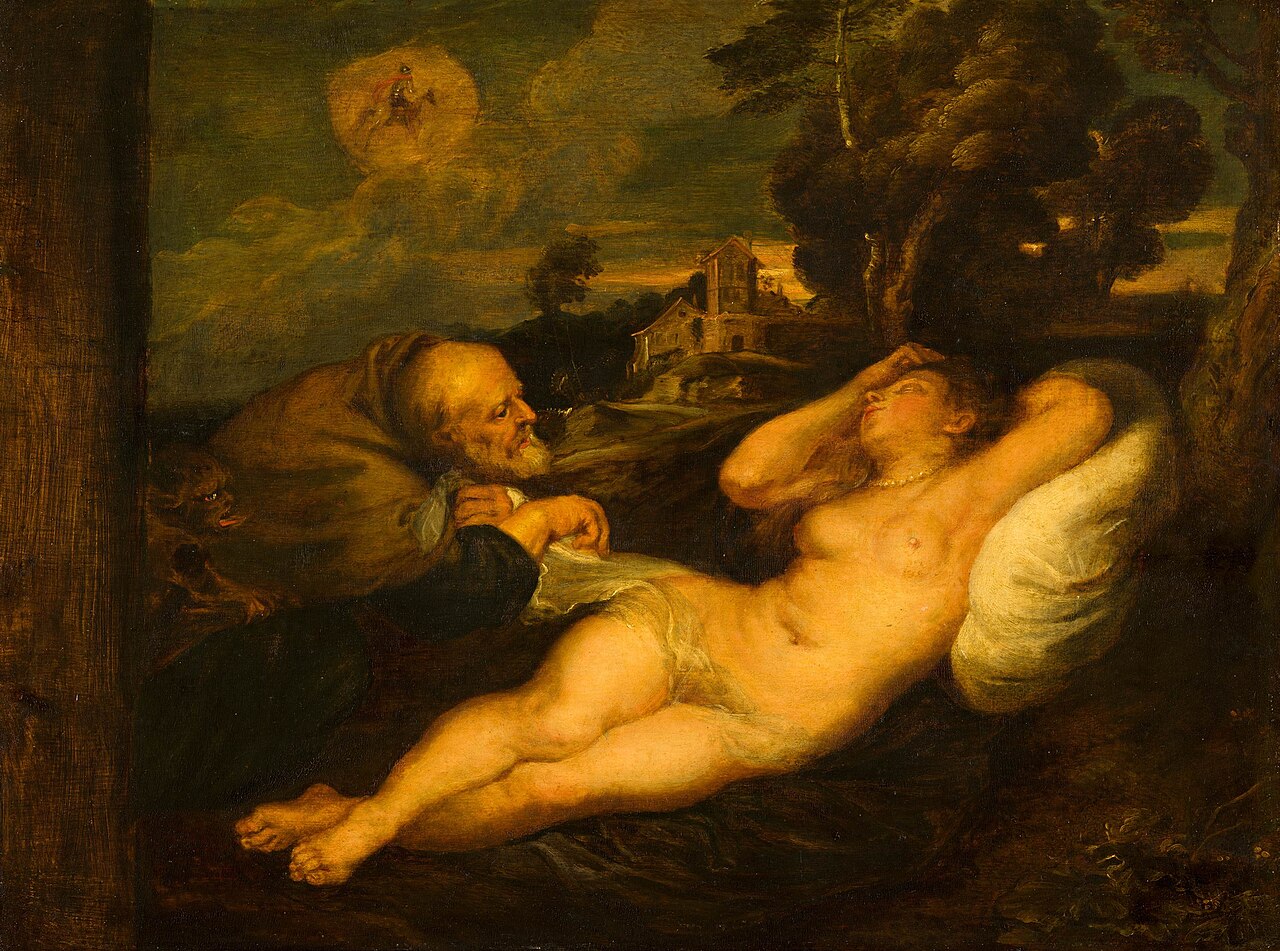
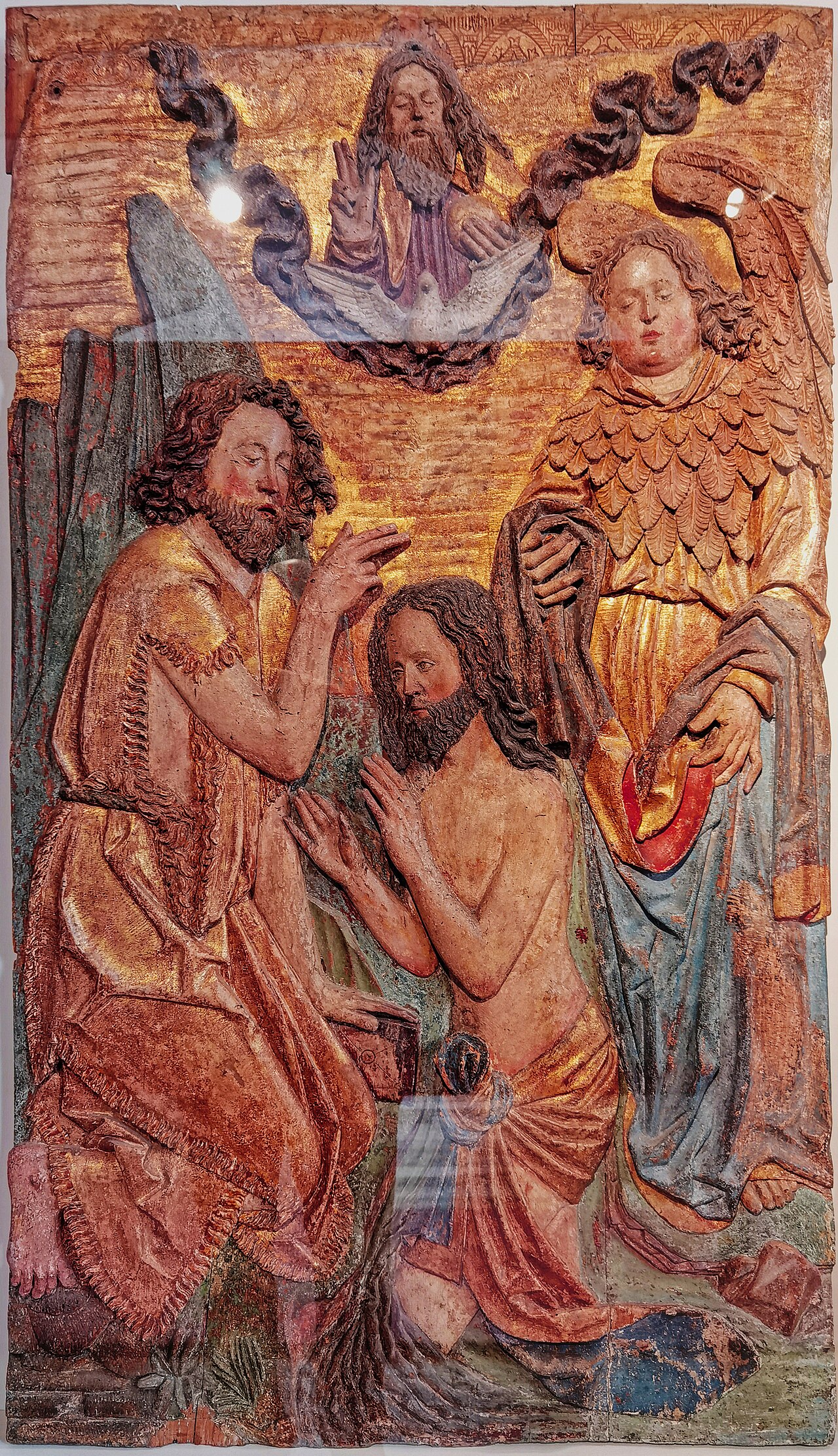
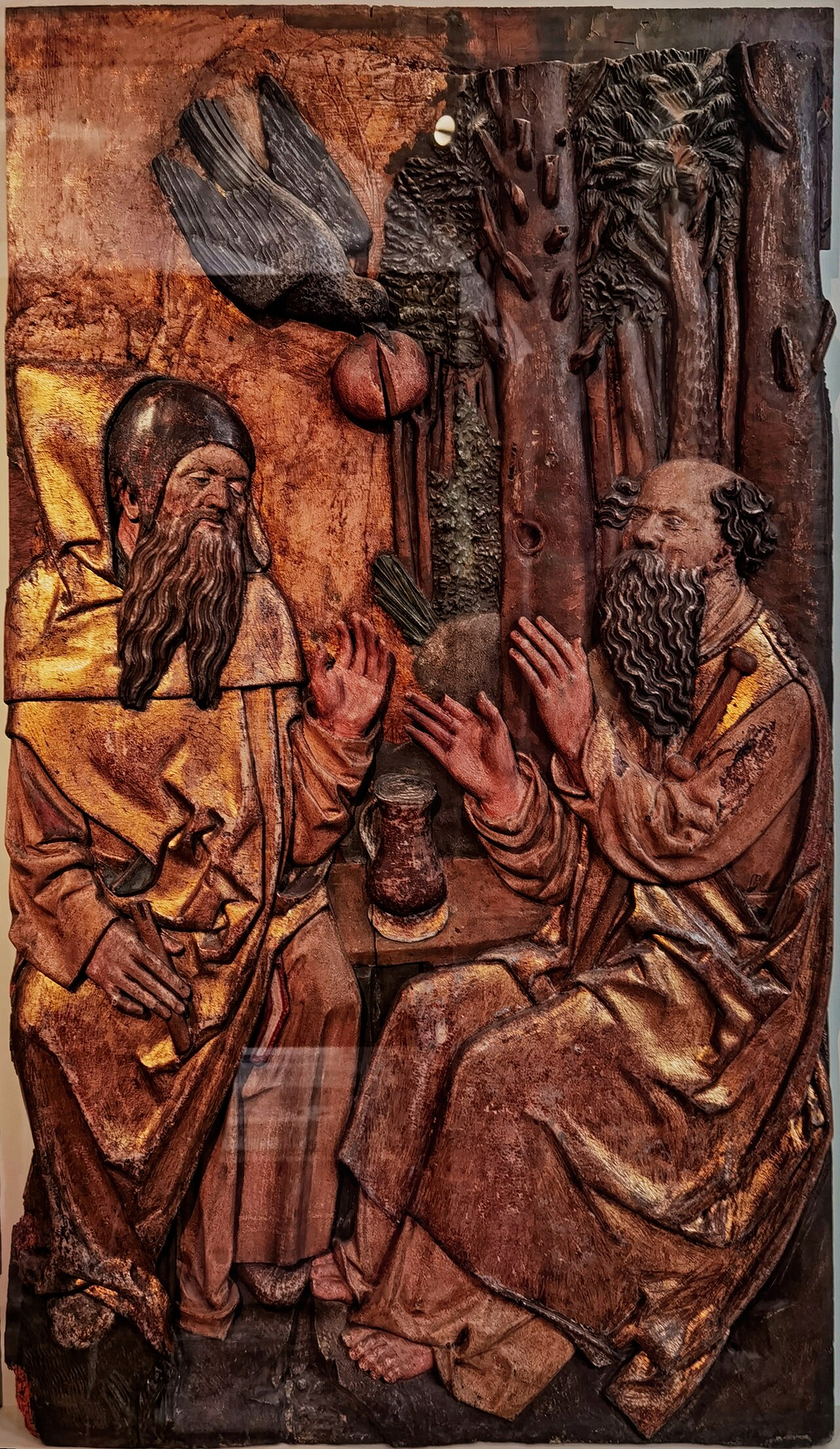
Frequently Asked Questions
Is Peter the Hermit recognized as a saint by the Catholic Church?
No, he has never been beatified or canonized and holds no official sainthood or beatification status in the Catholic Church. Despite his prominent place in medieval religious history, the Church has not granted him any formal recognition as a blessed or saint.
More in Christian Saints & Early Church Fathers 25-37
Elsewhere in the Christian Saints & Early Church Fathers universe
Spotted an error? Know more?
This is a living reference — every entry is fact-audited, and reader corrections feed straight into our audit queue. Suggest an edit · See this site's audit record